Prof. Dr. EMEL TANYERİMAZICI
Kişisel Bilgiler
İş Telefonu: +90 352 207 6666Dahili:36111
Fax Telefonu: +90 352 437 5261
E-posta: etanyeri@erciyes.edu.tr
Web: ht ps://avesis.erciyes.edu.tr/etanyeri/
Uluslararası Araştırmacı ID'leri
ORCID:0000-0003-2731-5996
YoksisAraştırmacı ID:117823
EğitimBilgileri
Doktora,ErciyesÜniversitesi,SosyalBilimler Enstitüsü,Halkla İlişkilerVeTanıtım,Türkiye 2009 -2013
YüksekLisans,ErciyesÜniversitesi,SosyalBilimler Enstitüsü,Halkla İlişkilerVeTanıtım,Türkiye 2007 -2009
Lisans,MarmaraÜniversitesi, İktisadiVe İdariBilimler Fakültesi, İşletme ,Türkiye 2003 -2007
YabancıDil er
İngilizce,B2OrtaÜstü
Araştırma Alanları
SosyalveBeşeriBilimler,Kitle İletişimiveAraçları,Halkla İlişkiler,ReklamcılıkveTanıtım, İletişimBilimleri
Akademik Ünvanlar / Görevler
Prof.Dr.,ErciyesÜniversitesi, İletişimFakültesi,Halkla ilişkiler veTanıtım,2024 -DevamEdiyor
Doç.Dr.,ErciyesÜniversitesi, İletişimFakültesi,Halkla ilişkiler veTanıtım,2018 -2024
Dr.Öğr.Üyesi,ErciyesÜniversitesi, İletişimFakültesi,Halkla ilişkiler veTanıtım,2018 -2018
Yrd.Doç.Dr.,ErciyesÜniversitesi, İletişimFakültesi,Halkla ilişkiler veTanıtım,2014 -2018
AraştırmaGörevlisi,ErciyesÜniversitesi, İletişimFakültesi,Halkla ilişkiler veTanıtım,2007 -2014
Diğer,Montclair StateUniversity,SchoolOfBusiness,Marketing,2012 -2012
Akademik İdariDeneyim
BölümBaşkanı,ErciyesÜniversitesi, İletişimFakültesi,Halkla ilişkiler veTanıtım,2023 -DevamEdiyor
Anabilim/BilimDalıBaşkanı,ErciyesÜniversitesi,SosyalBilimler Enstitüsü, -,2023 -DevamEdiyor
FakülteKuruluÜyesi,ErciyesÜniversitesi, İletişimFakültesi,2019 -DevamEdiyor
FakülteYönetimKuruluÜyesi,ErciyesÜniversitesi, İletişimFakültesi,2019 -2023
EnstitüMüdür Yardımcısı,ErciyesÜniversitesi,SosyalBilimler Enstitüsü,2019 -2022
EnstitüYönetimKuruluÜyesi,ErciyesÜniversitesi,SosyalBilimler Enstitüsü,2019 -2022
ErciyesÜniversitesi,2014 -2017
Yönetilen Tezler
TanyeriMazıcıE.,SeyahatTüketiminde SosyalMedyanınRolü: InstagramGezginleriÜzerineBirAraştırma,Yüksek
Lisans,B.ŞAHAN(Öğrenci),2024
TanyeriMazıcıE.,Kültür endüstrisi çerçevesinde dijitalTVplatformlarınınkulanımıüzerine bir inceleme,Doktora,
M.BURÇ(Öğrenci),2023
TanyeriMazıcıE.,Destinasyonve ülke tanıtımfilmlerininoryantalizmaçısındanincelenmesi:Türkiye örneği,Yüksek
Lisans,H.İLHAN(Öğrenci),2021
TanyeriMazıcıE.,Toplumsal cinsiyetve kadınsorunlarına yönelikfarkındalıkoluşturmada halkla ilişkilerinaracı rolü:
Üniversite kadınaraştırmamerkezleriüzerine bir inceleme,Doktora,N.BANU(Öğrenci),2021
TanyeriMazıcıE.,Post-truth (hakikat sonrası) dönemde halkla ilişkiler:Sosyalmedya kulanıcılarınınhakikatalgıları
üzerine bir araştırma,YüksekLisans,E.YILDIRIM(Öğrenci),2021
TanyeriMazıcıE.,Reklamındeğişenyüzünde çevrimiçidavranışsal reklamcılık: İnternetkulanıcılarıperspektifindenbir
araştırma,Doktora,N.AKGÜN(Öğrenci),2020
TANYERİMAZICIE.,BütünleşikPazarlama İletişimiTemelinde İlişkiselPazarlama:Türkiye'deki "FastFood"Marka
MüşterileriÜzerineBirAraştırma,YüksekLisans,N.Ateş(Öğrenci),2016
TANYERİMAZICIE.,KamuoyununYönlendirilmesiveHalkla İlişkilerinDöngüdekiRolüÜzerineEleştirelBir Yaklaşım,
YüksekLisans,N.Zafer(Öğrenci),2016
TANYERİMAZICIE.,MarkaBağlılığınınMarka İletişimiPerspektifindenİncelenmesiveBirAraştırma,YüksekLisans,
G.Demiral(Öğrenci),2016
TANYERİMAZICIE.,UluslararasıHalkla İlişkilerBağlamındaKüreselYumuşakGüç: İçHedefKitleÜzerineBirAraştırma,
YüksekLisans,T.Kodal(Öğrenci),2016
TANYERİMAZICIE.,Halkla İlişkilereKOBİPerspektifindenBirBakış:KayseriOrganize SanayiBölgesi'ndeBirAraştırma,
YüksekLisans,A.Yıldırım(Öğrenci),2015
Makaleler
I. AKILLI DESTİNASYONLARIN ŞEHİRMARKALAŞMASINDA ROLÜ; ANTALYA ÖRNEĞİ
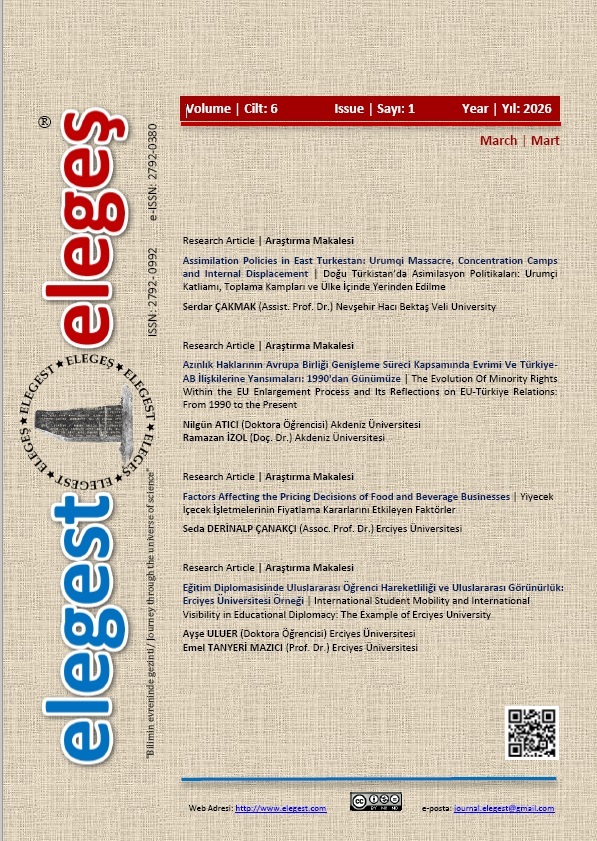
AKKUŞ Z.,TANYERİMAZICIE.
ErciyesAkademi,2024 (HakemliDergi)
I . SEYAHAT TÜKETİMİNDE SOSYAL MEDYANIN ROLÜ: INSTAGRAMGEZGİNLERİ ÜZERİNE BİR
ARAŞTIRMA
ŞAHANB.,TANYERİMAZICIE.
NwsaHumanities Sciences,2024 (HakemliDergi)
I I. Kültür Endüstrisi Aracı Olarak Dijital Yayıncılık: Dijital Tv Platformları Üzerine DurumÇalışması
BURÇM.,TANYERİMAZICIE.
The JournalofCommunicationand Social science, cilt.3, sa.1, ss.133-166,2023 (HakemliDergi)
IV. DESTİNASYON VE ÜLKE TANITIMFİLMLERİNİN ORYANTALİZMAÇISINDAN İNCELENMESİ: TÜRKİYE
ÖRNEĞİ
İLHANH.,TANYERİMAZICIE.
ErciyesAkademiDergisi, cilt.36, sa.4, ss.1766-1791,2022 (HakemliDergi)
V. Kadın Araştırma ve UygulamaMerkezlerinin Halkla İlişkiler Rol eri: DurumÇalışması
ATEŞN.B.,TANYERİMAZICIE.
Kastamonu İletişimAraştırmalarıDergisi, cilt.2022, sa.8, ss.100-129,2022 (TRDizin)
VI. Kul anıcı türevli içeriklerin satın alma davranışına etkisi üzerine bir araştırma
BAMYACIOĞLUT.,TANYERİMAZICIE.
TUJOM, cilt.6, sa.6, ss.143-159,2021 (HakemliDergi)
VI . Post-Truth Dönemve Twıtter Kul anıcılarının Hakikate Bakışı Üzerine Bir Araştırma
YILDIRIME.,TANYERİMAZICIE.
ErciyesAkademi, cilt.35, ss.742-768,2021 (HakemliDergi)
VI I. Sosyalmedya perspektifinden geril a pazarlama ve bir araştırma
BURÇM.,TANYERİMAZICIE.
Aksaray İletişimDergisi, cilt.3, sa.2, ss.362-392,2021 (HakemliDergi)
IX. Postmodern Tüketimve Dijital Ortama Yansımaları: Netflix Üzerine Bir Değerlendirme
TANYERİMAZICIE.,CANE.N.
Selçukİletişim, cilt.14, sa.2, ss.832-858,2021 (TRDizin)
X. Covid-19 Pandemi Sürecinde Dijital Diplomasi: T.C. Dışişleri Bakanlığı Üzerine Bir Araştırma
TANYERİMAZICIE.
Turkish Studies -SocialSciences, cilt.15, sa.4, ss.1087-1104,2020 (TRDizin)
XI. Reklamın Değişen Yüzünde Çevrimİçi Davranışsal Reklamcılık: İnternet Kul anıcıları Perspektifinden
Bir Araştırma
AKGÜNAKANN.,TANYERİMAZICIE.
Erciyes İletişimDergisi, cilt.7, sa.2, ss.1453-1479,2020 (TRDizin)
XI . Nüfuz Pazarlaması (Influencer Marketing) ve Satın Alma Davranışı İlişkisi: Sosyal Ağ Kul anıcıları
Üzerinden Bir Araştırma
TANYERİMAZICIE.,HEKİMOĞLUTOPRAKH.
OPUS International Journalof SocietyResearches, cilt.16, sa.31, ss.4265-4288,2020 (TRDizin)
XI I. TüketimToplumunda GözetimUygulamaları ve Tüketici Bakış Açısından Bir Değerlendirme
TANYERİMAZICIE.
GümüşhaneÜniversitesi İletişimFakültesiDergisie-Gifder, cilt.6, sa.1, ss.149-171,2018 (TRDizin)
XIV. Adolf Hitler’in Korku Çekiciliği Bağlamında Kamu Spotu Reklamlarında Kul anımı
TANYERİMAZICIE.,ÇAKIC.
ErciyesÜniversitesi İletişimFakültesiDergisiAcademia, cilt.5, sa.3, ss.290-306,2018 (TRDizin)
XV. İletişimAraştırmalarında 2006-2016 Yıl arı Arasında Yapılan Doktora Tezlerine İlişkin Bir Durum
Değerlendirmesi
DAVULCUE.,TANYERİMAZICIE.
KaradenizTeknikÜniversitesi İletişimAraştırmalarıDergisi, ss.55-73,2018 (HakemliDergi)
XVI. PAZARLAMA AMAÇLI HALKLA İLİŞKİLER (MPR) UYGULAMALARINDA İLİŞKİSEL YAKLAŞIM:CHATBOT
ÖRNEĞ
TANYERİMAZICIE.,ATEŞN.B.
SOBİDER, cilt.5, sa.19, ss.266-278,2018 (HakemliDergi)
XVI . SOSYAL MEDYANIN HALKLA İLİŞKİLER ARACI OLARAK KULLANIMI ÜZERİNE KARŞILAŞTIRMALI BİR
ANALİZ: ONLİNE ALIŞVERİŞ SİTELERi
TANYERİMAZICIE.,GünerKoçakP.,AltıncıkH.
The Journalof academic SocialScience, sa.60, ss.523-536,2017 (HakemliDergi)
XVI I. Küresel eşme Perspektifinden İnsan Doğası ve Halkla İlişkiler Faaliyetlerinin Dönüşümü Üzerine Bir
İnceleme
TANYERİMAZICIE.
Akdeniz İletişim, sa.27, ss.96-115,2017 (TRDizin)
XIX. Job satisfaction in terms of social gender equality in employees and its effect on the corporate
reputation: The sample of ERU academicians
TanyeriMazıcıE.,GölgeliK.
International Journalof SocialSciences andEducationResearch, cilt.3, sa.2, ss.508-518,2017 (HakemliDergi)
XX. Televizyon Programlarında Ürün Yerleştirme:”Survivor Al Star” Örneği
TANYERİMAZICIE.,ATEŞN.B.,YıldırımA.
Selçukİletişim, cilt.9, sa.4, ss.238-257,2017 (TRDizin)
XXI. TELEVİZYON PROGRAMLARINDA ÜRÜN YERLEŞTİRME: “SURVIVOR ALL STAR” ÖRNEĞİ
TANYERİMAZICIE.,AteşN.B.,YıldırımA.
Selçukİletişim, cilt.9, sa.4, ss.238-257,2017 (TRDizin)
XXI . Marka Konumlandırmada İlişki Yönetimi: Bankacılık SektöründeWeb Sayfaları Üzerinden Bir
Değerlendirme
TANYERİMAZICIE.
The JournalOfAcademic SocialScience Studies, sa.44, ss.73-90,2016 (HakemliDergi)
XXI I. MARKA KONUMLANDIRMADA İLİŞKİ YÖNETİMİ: BANKACILIK SEKTÖRÜNDEWEB SAYFALARI
ÜZERİNDEN BİR DEĞERLENDİRME
TANYERİMAZICIE.
The JournalofAcademic SocialScience Studies, sa.44, ss.73-90,2016 (HakemliDergi)
XXIV. Kültürel Diplomasi Aracılığıyla Ülke İmajı: Orta Asya Türk Cumhuriyetleri Perspektifinden Bir
Araştırma
TANYERİE.,KodalT.
The Journalof InternationalSocialSearch, cilt.8, sa.39, ss.965-974,2015 (HakemliDergi)
XXV. Bir Halkla İlişkiler Faaliyeti Olarak Bilgi Edinme Hakkı ve Uygulanabiliriliği: Erciyes Üniversitesi
Örneği
IŞIKM.,TANYERİE.
AkdenizÜniversitesi İletişimFakültesiDergisi, sa.14, ss.145-167,2010 (HakemliDergi)
XXVI. Bir Halkla İlişkiler Faaliyeti Olarak Bilgi Edinme Hakkı ve Uygulanabilirliği: Erciyes Üniversitesi
Örneği
IŞIKM.,TANYERİE.
AkdenizÜniversitesi İletişimFakültesiDergisi, sa.14, ss.145-167,2010 (HakemliDergi)
XXVI . Küresel Kültürel İlişkilerin Geleceği:Bulut Kültürü
İNANE.,TANYERİE.,GÖLGELİK.
AkademiaErciyes İletişimDergisi, cilt.1, sa.4, ss.80-90,2010 (HakemliDergi)
XXVI I. Contribution of StariMost to Turkey's Reputation in Terms of Culture and Heritage Tourism
IşıkM.,TANYERİE.
GaziÜniversitesi İletişimFakültesiKuramveAraştırmaDergisi, sa.31, ss.59-78,2010 (HakemliDergi)
XXIX. Contribution of StariMost to Turkey’s Reputation in Terms of Culture and Heritage
IŞIKM.,TANYERİMAZICIE.
İletişimKuramveAraştırmaDergisi, sa.31, ss.59-78,2010 (TRDizin)
XXX. Okuyucuların Yerel Gazeteleri Tercihlerinde Etkili Olan Faktörler ve Demografik Özel ikler İtibari İle
Algısal Farklılıklar
GÜLLÜK.,KOÇERM.,TANYERİMAZICIE.
ÖNERİ:MarmaraÜniversitesiSosyalBilimler EnstitüsüHakemliDergisi, cilt.8, sa.32, ss.271-282,2009 (TRDizin)
XXXI. Okuyucuların Yerel Gazeteleri Algılamaları
ÇAKIRH.,GÜLLÜK.,KOÇERM.,TANYERİMAZICIE.
E-JournalofNewWorld ScienceAcademyNWSA, cilt.4, sa.1, ss.1-24,2009 (HakemliDergi)
XXXI . Evaluatıon Of The Local Newspapers In Kayserı By The Readers And A Survey To Determıne The
Readıng Habıts Of The People In Kayserı
ÇAKIRH.,GÜLLÜK.,KOÇERM.,TANYERİE.
NWSA,2009 (HakemliDergi)
Kitaplar
I. Türkiye’nin Libya Açılımında Kamu Diplomasisi: TİKA Örneği
TanyeriMazıcıE.
KamuDiplomasisiveYumuşakGüç: İletişimPerspektifli İncelemeler,ArslanŞ.,TemelM.,Editör,NobelYayınevi,
İstanbul, ss.53-77,2024
I . Sürdürülebilir Kalkınmada Toplumsal Cinsiyet Eşitliği: Halkla İlişkiler Perspektifinden Bir
Değerlendirme
TANYERİMAZICIE.
Halkla İlişkiler ve İletişimÇalışmalarında Sürdürülebilirlik,MustafaKoçer,MuratBaşarır,MustafaCıngı,Editör,
NobelYayınevi, ss.27-54,2022
I I. DİJİTAL HALKLA İLİŞKİLER TEMELİNDE KAMU DİPLOMASİSİNDE YENİ NESİL UYGULAMALAR:
ANTALYA DİPLOMASİ FORUMU ÖRNEĞİ
TANYERİMAZICIE.
DİJİTALHALKLAİLİŞKİLERUYGULAMALARI:ÖRNEKOLAYLAR,NejatÖzüpek,ErcanAktan,MuratKoçyiğit,Editör,
EğitimYayınevi, ss.229-249,2021
IV. Reklamlarda Kadın(lık) ve Erkek(lik) Temsil eri: Toplumsal Cinsiyet Açısından Bir Değerlendirme
TanyeriMazıcıE.
DisiplinlerarasıBakışAçısı ileKadınErkekEşitliği,AsumanGÖLGELİElifDENİZ ŞAFAKEmelTANYERİMAZICI
HülyaARGUNŞAHJaleMETİNKIYICIMasrekaKHANZeynepÖLÇÜDİNÇER,Editör,EfeAkademi, İstanbul, ss.91-
110,2020
V. A Study on International Public Relations and Perspective of Turkey
TANYERİMAZICIE.
Practice Fields inPublicRelations:ThePanorama ofTurkey,ÜmitArklan,Editör,Peter LangPublishing, Inc.,
Frankfurt, ss.383-410,2017
VI. Foreign Aids As An AlternativeMethod Of International Communication In Public Diplomacy: A
Research On The Sample Of Somalia
TANYERİMAZICIE.
CommunicationandMediaReserach InternationalAssociatonof SocialScienceResearch,ArslanH., İçbayM.A.,
Ruggiero,C.,Editör,E-Bwn, İstanbul, ss.401-410,2017
VI . A Study on International Public Relations and Perspective of Turkey
TANYERİMAZICIE.
Practice Fields inPublicRelations:ThePanorama ofTurkey,ÜmitArklan,Editör,Peter LangPublishing,Frankfurt,
ss.383-410,2017
VI I. Kavramsal, Sektörel veMesleksel Açıdan Uluslararası Halkla İlişkiler
TANYERİMAZICIE.
UluslararasıHalkla İlişkiler, "TanyeriMazıcı,E.",Editör,OmniscriptumGmbh&Co,Saarbrücken, ss.1-30,2016
IX. Uluslararası Halkla İlişkiler ve ÜlkeMarkası
TANYERİMAZICIE.
UluslararasıHalkla İlişkiler, "TanyeriMazıcı,E.",Editör,OmniscriptumGmbh&Co,Saarbrücken, ss.199-230,2016
X. Uluslararası Halkla İlişkiler ve ÜlkeMarkası
TANYERİMAZICIE.
UluslararasıHalkla İlişkiler,Yrd.Doç.Dr.EmelTanyeri,Editör,OmniScriptumGmbHCo,TürkiyeAlimKitapları,
Saarbrücken, ss.199-230,2016
XI. Destinasyon Tanıtımında Halkla İlişkiler
TANYERİE.
LiteratürkYayıncılık,Konya,2015
XI . Ekip Çalışması ve İnsan İlişkileri
TANYERİMAZICIE.
EkipÇalışmasıve Liderlik,Prof.Dr.MustafaAkdağ,Editör,AtatürkÜniversitesiAçıkÖğretimFakültesi,Erzurum,
ss.18-40,2015
XI I. Uluslararası Krizlerin Yönetiminde Bir İletişimYöntemi Olarak Kamu Diplomasisi Kavramı Ve
Dünyadan Örnek Uygulamalar
TANYERİE.
KrizYönetimi İletişimselTemeldeÇözümOdaklıStratejikYaklaşımlar,Prof.Dr.MustafaAkdağ-Doç.Dr.ÜmitArklan,
Editör,LiteratürkYayıncılık,Konya, ss.493-524,2014
XIV. Yerel Gazetelerde Yer Alan Reklamlar Üzerine Kayseri Örneği’ nde Bir İnceleme
TANYERİE.,GÖLGELİK.
Tarih İçindeKayseriBasını,HamzaÇAKIRveHakanAYDIN,Editör,PaletYayınları,Konya, ss.345-367,2012
XV. Yerel Gazetelerde Yer Alan Reklamlar Üzerine Kayseri Örneği’nde Bir İnceleme
TanyeriMazıcıE.,GölgeliK.
Tarih İçindeKayseriBasını,HamzaÇakır-HakanAydın,Editör,PaletYayınları,Konya, ss.345-367,2012
XVI. Okuyucuların Yerel Gazeteleri Algılamaları (Kayseri Örneği)
ÇAKIRH.,GÜLLÜK.,KOÇERM.,TANYERİE.
ÇakirHGülüKKoçerMTanyeriETarih İçindeKayseriBasınıÇakırHAydınHEdPaletYayınlarıKonya ss477
508,HamzaÇakır veHakanAydın,Editör,Palet,Konya, ss.477-508,2012
XVI . Halkla İlişkilerde Sponsorluk
TANYERİMAZICIE.
Halkla İlişkilereGiriş,Prof.Dr.MetinIşık,Editör,EğitimYayınevi,Konya, ss.169-188,2012
XVI I. Halkla İlişkiler Etkinliği Olarak Lobiciliğin Yeni Boyutu: e-lobicilik
AKDAĞM.,TANYERİE.
DündenBugüneHalkla İlişkiler, IŞIKM.,AKDAĞ,M,Editör,EğitimKitabevi,Konya, ss.200-0,2009
XIX. Halkla İlişkiler Etkinliği Olarak Lobicliğin Yeni Boyutu: E-Lobicilik
AKDAĞM.,TANYERİMAZICIE.
DündenBugüneHalkla İlişkiler,Doç.Dr.MetinIşık-Yrd.Doç.Dr.MustafaAkdağ,Editör,EğitimAkademiYayınları,
Konya, ss.269-288,2009
Hakemli Bilimsel Toplantılarda Yayımlanmış Bildiriler
I. TÜKETİCİNİN NASIL DÜŞÜNDÜĞÜ ÜZERİNEMETAFORİK BİR YAKLAŞIM; ZMET BAĞLAMINDA
REKLAMLARDA DERİN METAFOR ÇÖZÜMLEMESİ
TANYERİMAZICIE.,ÇİĞDEMS.
INTERNATIONAL İSTANBULMODERNSCIENTIFICRESEARCHCONGRESS -V,9 -11Temmuz2023, (TamMetin
Bildiri)
I . DİJİTAL REKLAMCILIĞIN MÜZE TANITIMFAALİYETLERİ KAPSAMINDA İNCELENMESİ: T.C. KÜLTÜR
VE TURİZMBAKANLIĞI ÖRNEĞİ
TANYERİMAZICIE.,BURÇM.
7th INTERNATIONALMARDINARTUKLUSCIENTIFICRESEARCHESCONFERENCE,10Aralık2021, (TamMetin
Bildiri)
I I. APPEAL OF HUMOUR IN ADVERTISING AND THE UTILIZATION OF THEMIN COMMERCIALS OF ECOMMERCE
TANYERİMAZICIE.,BAMYACIOĞLUT.
ELRUHA8th INTERNATIONAL CONFERENCEONSOCIAL SCIENCES,30Ocak2021, (TamMetinBildiri)
IV. HİBE PROJELERİNİN DEĞİŞİMGÜÇÜ: “YEMLİHA HAZIRLANIYOR YARINLARA”
GölgeliA.,TanyeriMazıcıE.,GölgeliK.
Dekaum2.UluslararasiKadınKongresi, İzmir,Türkiye,4 -05Ekim2018, ss.432-440, (TamMetinBildiri)
V. YABANCI UYRUKLU ÖĞRENCİLERİN LİSANS EĞİTİMİNE YÖNELİKMEMNUNİYET DÜZEYLERİNE
İLİŞKİN NİTEL BİR ARAŞTIRMA
TANYERİMAZICIE.,KODAL T.
I I. Ines InternationalEducationand SocialScienceCongress,Antalya,Türkiye,28Nisan-01Mayıs2018, ss.202-
209, (TamMetinBildiri)
VI. GENDER PERSPECTIVE OF CHILD EDUCATION CENTER PERSONNEL: CASE STUDY OF ERCIYES
UNIVERSITY IN KAYSERI, TURKEY
GölgeliA.,KhanM.,MutluN.,SelçukluA.E.,Deniz ŞafakE.,MetinKıyıcı J.,TanyeriMazıcıE.,ArgunşahH.,AkdoğanA.
A.
InternationalConferenceContemporaryWomen's Studies, İstanbul,Türkiye,8 -09Mart2018, ss.22, (TamMetin
Bildiri)
VI . Pazarlama Amaçlı Halkla İlişkiler (MPR) Uygulamalarında İlişkisel Yaklaşım: Chatbot Örneği
TANYERİMAZICIE.,ATEŞN.B.
I I.UluslararasıSosyalBilimler Sempozyumu,Kahramanmaraş,Türkiye,26 -28Ekim2017, ss.286, (ÖzetBildiri)
VI I. The Importance of Early Child Education for Gender Equality in Turkey
GÖLGELİA.,KHANM.,DENİZ ŞAFAKE.,METİNKIYICI J.,TANYERİMAZICIE.,ARGUNŞAHH.,AKDOĞANA.A.,
SELÇUKLUA.E.
4th InternationalSymposiumonAsianLanguages and Literatures,Aurangabad,Hindistan,2 -04 Şubat2017, (Özet
Bildiri)
IX. Job Satisfaction in Terms of Social Gender Equality in Employees and Its Effect on The Corporate
Reputation Sample of Eru Academicians
TanyeriMazıcıE.,GölgeliK.
2nd InternationalConference onSocialSciencesEducationResearch, İstanbul,Türkiye,4 -06Kasım2016, ss.508-
518, (TamMetinBildiri)
X. A Comparative Analysis on the Use of SocialMedia Public Relations of Online Shopping Sites
TANYERİMAZICIE.,GÜNERKOÇAKP.,AltıncıkH.
X.EuropeanConference onSocialandBehavioralSciences,19 -22Mayıs2016, ss.215-216, (ÖzetBildiri)
XI. Foreign Aids As An Alternative International CommunicationMethod In Public Diplomacy A Research
On Somalia Example
TANYERİMAZICIE.
X.EuropeanConference onSocialandBehavioralSciences,19 -22Mayıs2016, ss.401-410, (TamMetinBildiri)
XI . Yurtdışında Bulunan Türk Eserlerinin Yerli Turistler Perspektifinde Türkiye’xxnin Tanıtımına
Etkileri:Mostar Köprüsü Örneği
IŞIKM.,TANYERİMAZICIE.
I.DisiplinlerarasıTurizmKongresi,Türkiye,27 -30Mayıs2010, ss.629-642, (TamMetinBildiri)
XI I. Büyük Ölçekli Bir Halkla İlişkiler Faaliyeti Olarak Uluslararası Halkla İlişkiler : TC Kültür ve Turizm
Bakanlığı’xxnın 2007 Yılı İtibariyle Avrupa Birliği Ülkelerinde Gerçekleştirmiş Olduğu Halkla İlişkiler
Faaliyetleri
AKDAĞM.,TANYERİMAZICIE.
UluslararasıHalkla İlişkiler Sempozyumu,Lefkoşa,Kıbrıs (Kktc),15 -17Nisan2009, (TamMetinBildiri)
Desteklenen Projeler
GÖLGELİA.,ARGUNŞAHH.,AKDOĞANA.A.,DENİZ ŞAFAKE.,SELÇUKLUA.E.,METİNKIYICI J.,TANYERİMAZICIE.,KHAN
M.,YükseköğretimKurumlarıDestekliProje,BAPDiğer,ÇocukEğitimMerkezleriPersonelininToplumsalCinsiyetBakış
Açısı:ErciyesÜniversitesiÖrneği,2016 -2017
AKDAĞM.,TANYERİE.,YükseköğretimKurumlarıDestekliProje,BAPDoktora,KÜRESELLEŞMESÜRECİNDEDİYALOG
EKSENLİHALKLAİLİŞKİLER:TURİSTİKTÜKETİCİNİNKARARALMASÜRECİNEİLİŞKİNAMPİRİKBİRÇALIŞMA,2012 -
2014
BilimselDergilerdeki Faaliyetler
Erciyes İletişimAkademia,YardımcıEditör/BölümEditörü,2009 -2012
Bilimsel YayınlardaHakemlikler
Erciyes İletişimAkademia,HakemliBilimselDergi,Ekim2015
NWSA-E-JOURNALOFNEWWORLDSCIENCESACADEMY,Diğer İndekslerceTarananDergi,Mart2015
ErciyesÜniversitesiSosyalBilimler EnstitüsüDergisi,Diğer İndekslerceTarananDergi,Ocak2015
Erciyes İletişimAkademia,HakemliBilimselDergi,Ekim2014
Bilimsel Araştırma / Çalışma Grubu Üyelikleri
ErciyesÜniversitesiKadınÇalışmalarıAraştırmaMerkezi,ERCİYESÜNİVERSİTESİ,Turkey,
ht p://kadincalismalari.erciyes.edu.tr/,2015 -DevamEdiyor
Metrikler
Yayın:65
H-İndeks (WoS):1
Burslar
YÖKYurtdışıDoktoraAraştırmaDesteği,YÖK,2012 -DevamEdiyor
AkademiDışıDeneyim
Montclair StateUniverstiy,SchoolofBusiness

 ayşe Uluer